Reach the surfaces that collect fruit material
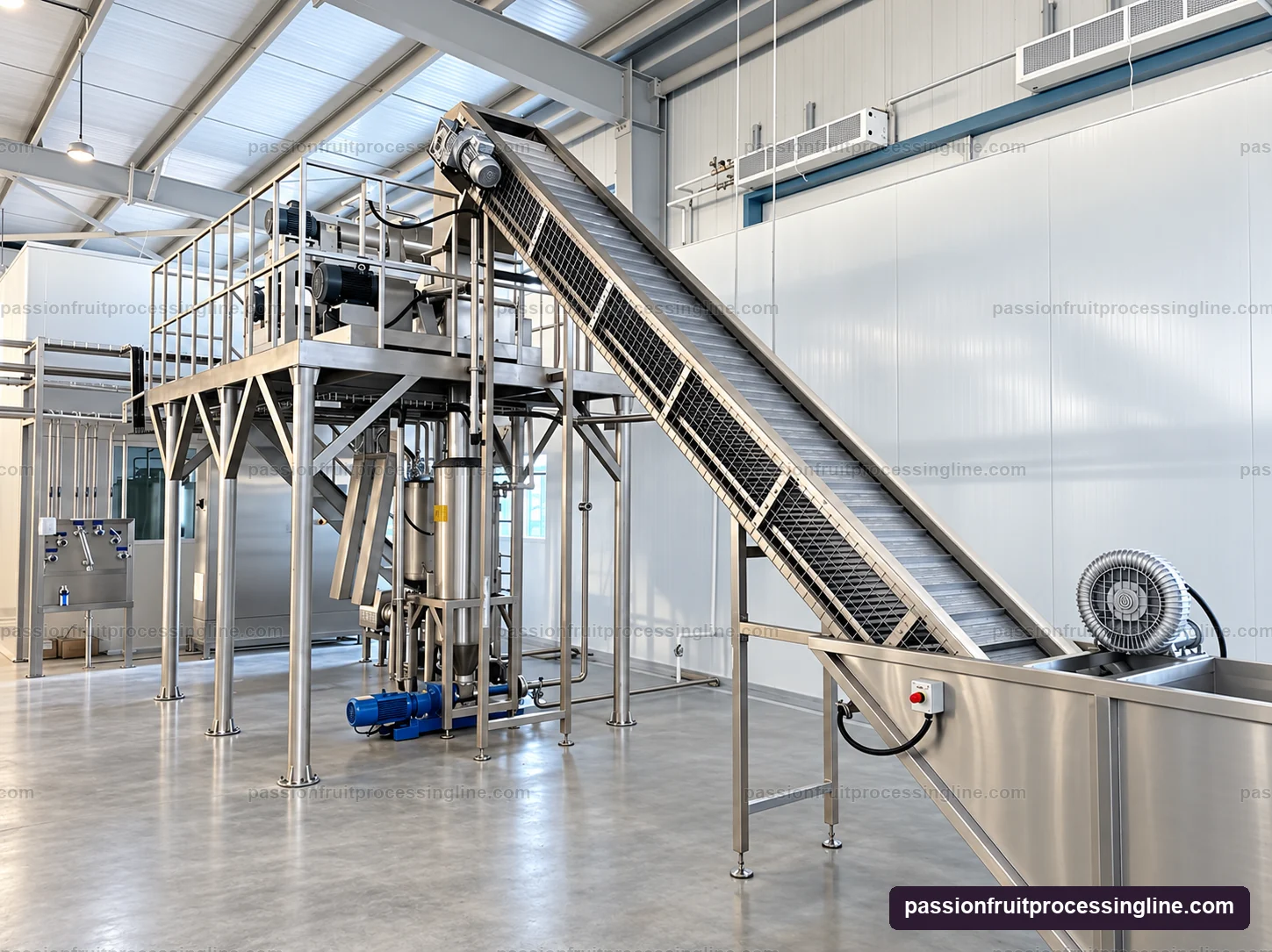
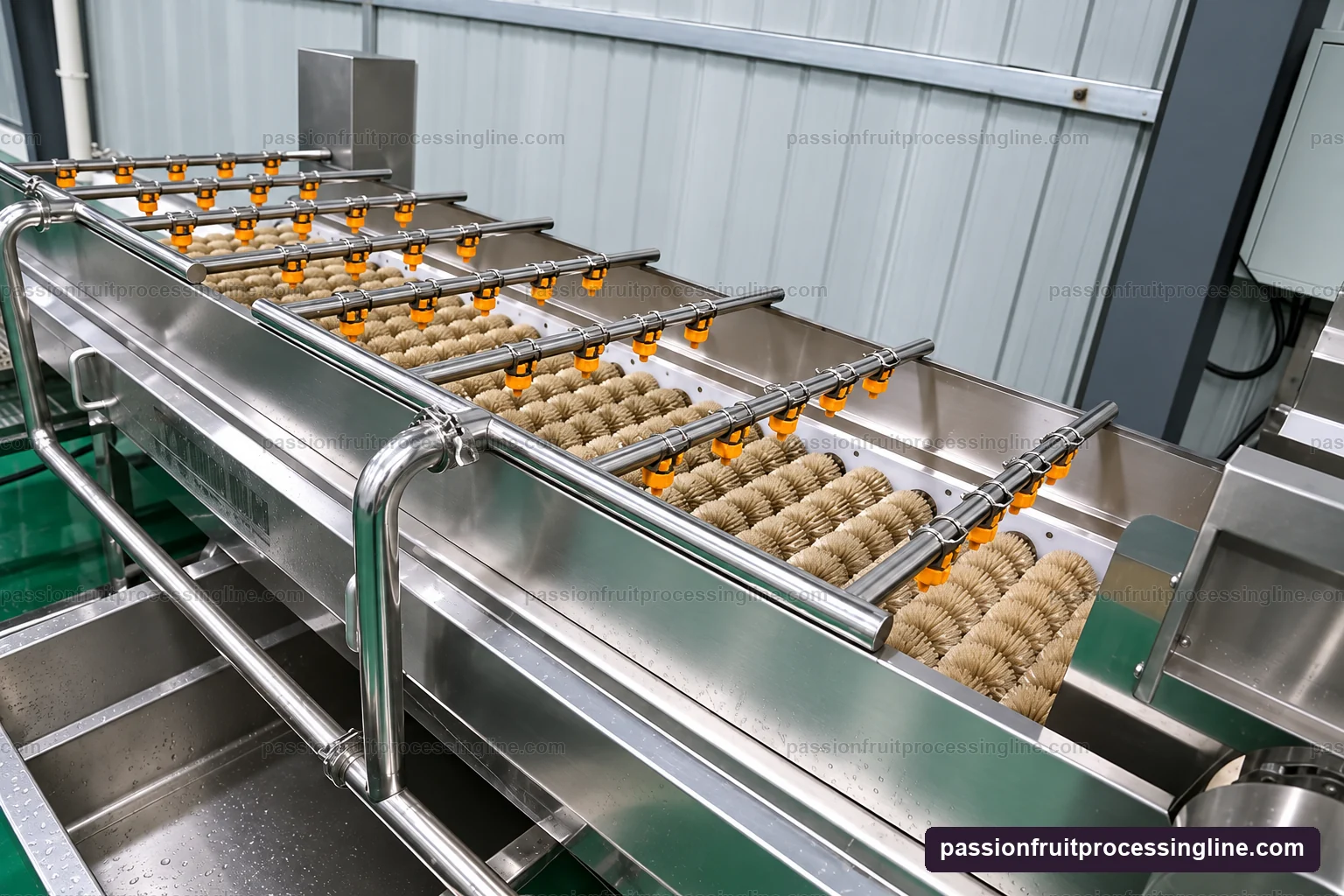
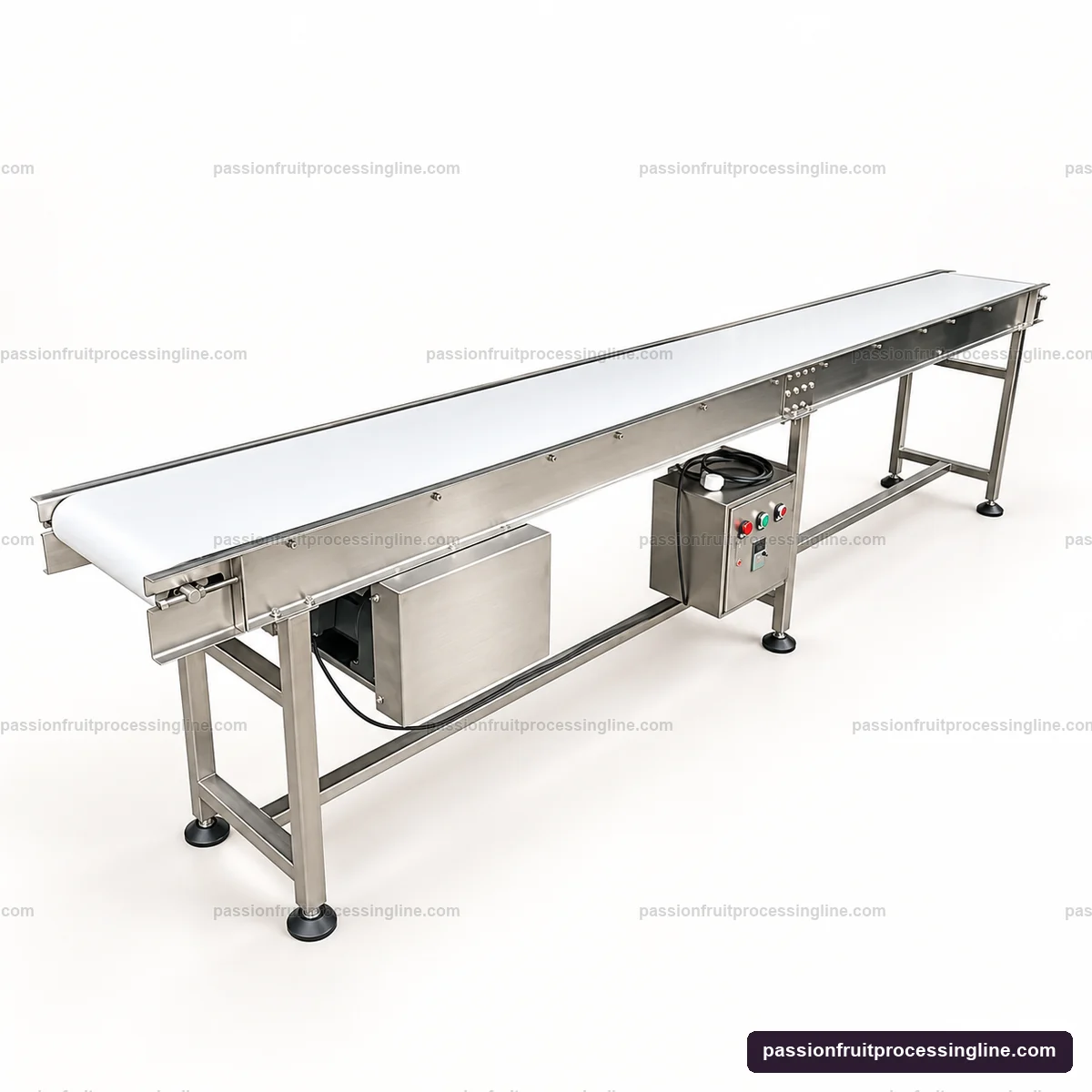
Conveyor contact surfaces, washer rollers, inspection areas and opening/collection points retain fruit material in different ways. The layout provides access to remove that material, clean the working surfaces and direct wash water to the intended drain.
Shell discharge and seed-rich rejects need attention at transitions and outlets. Guards and removable parts should support safe access under the equipment's isolation procedure; running a cleaning pump elsewhere in the line does not clean these open surfaces.
Inspect screens and separation chambers
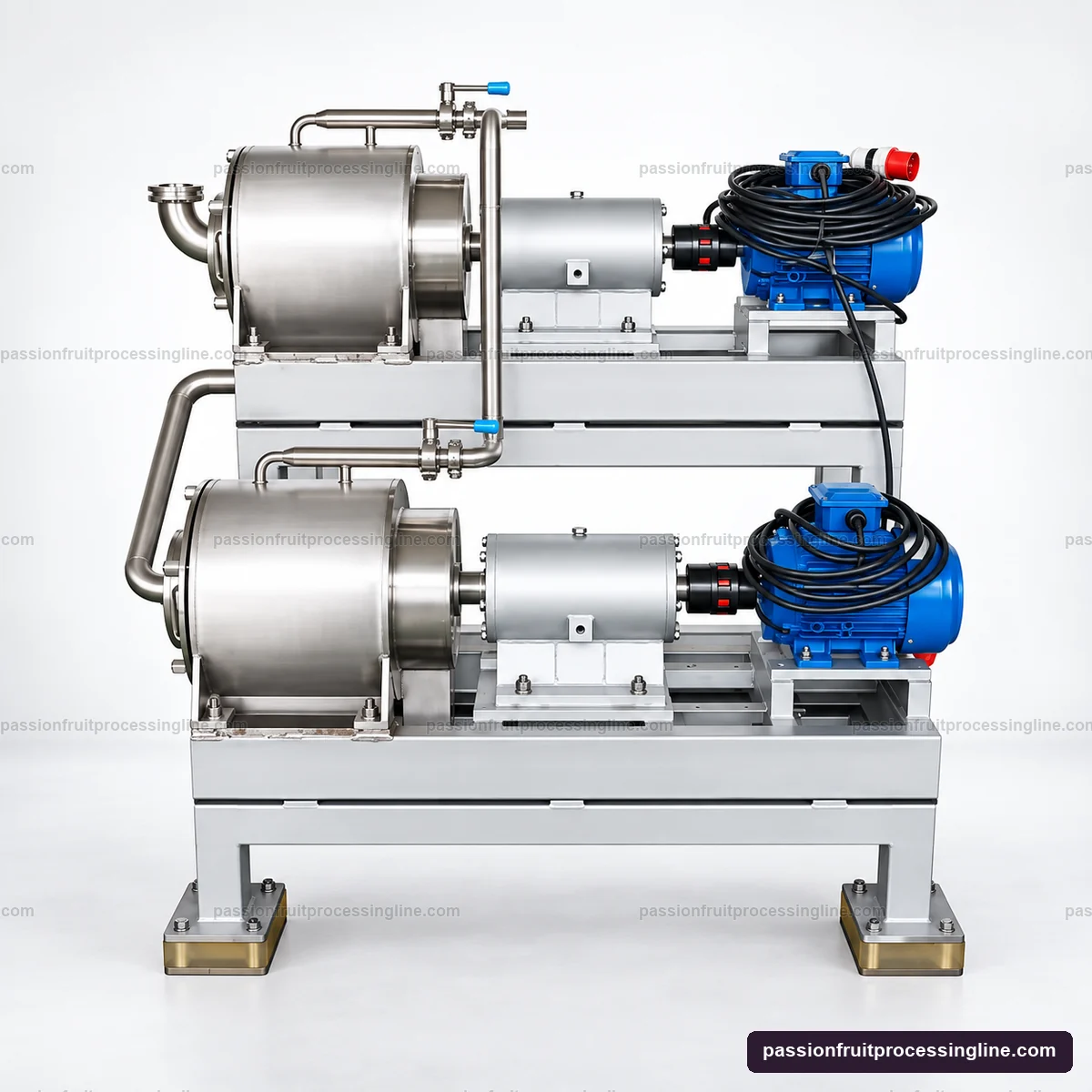
The finisher's screens and working chambers are product-contact components as well as separation tools. Residue retained on a screen can change the next run's flow and product characteristics. Access must allow cleaning and inspection of the screen, outlets and seals according to the supplied equipment procedure.
The condition of a screen also affects its separating function. Damage or incorrect assembly cannot be compensated for by extending a cleaning cycle. Product-contact parts need to be returned to their intended arrangement before production restarts.
Follow the complete closed circuit
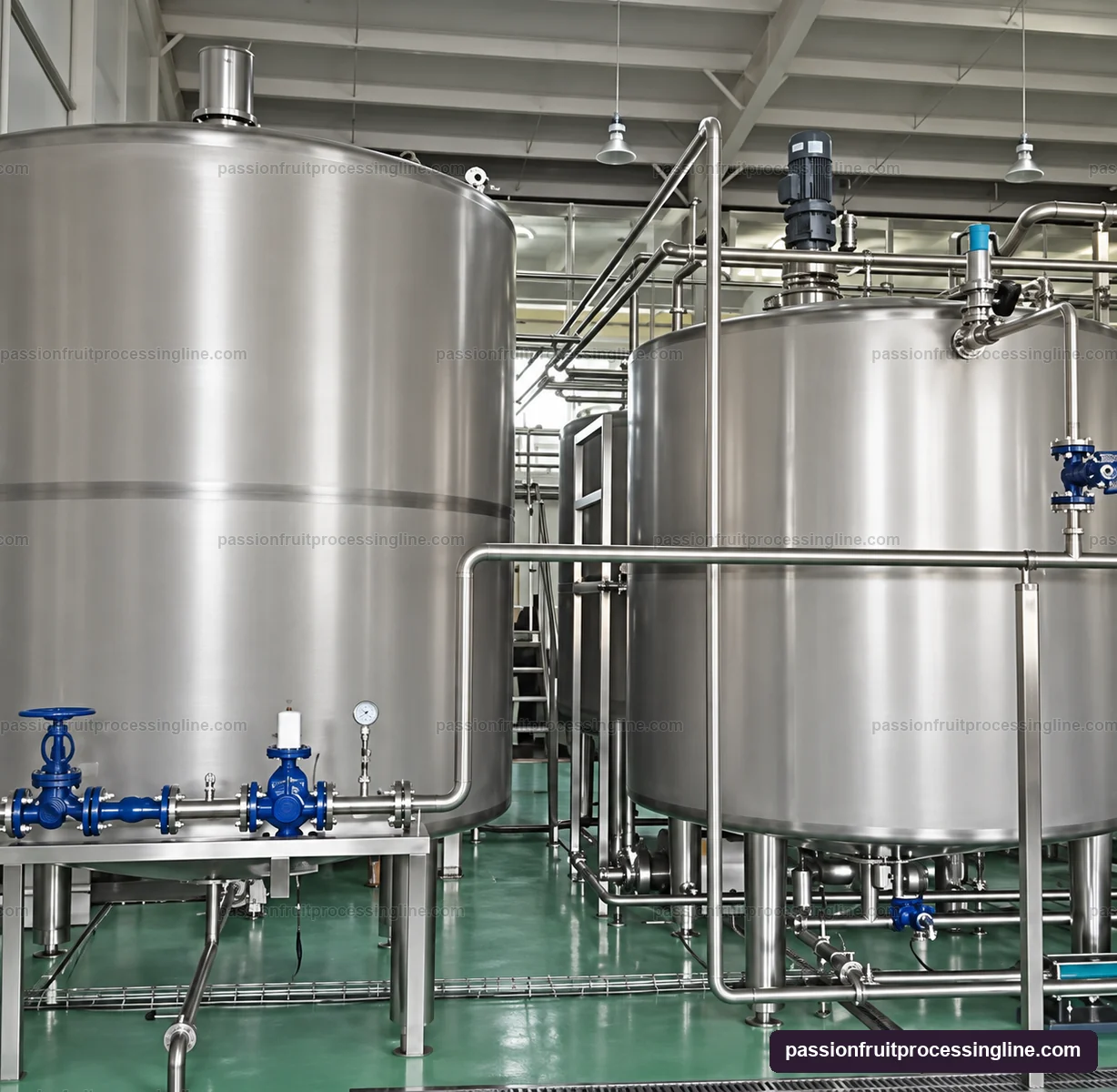
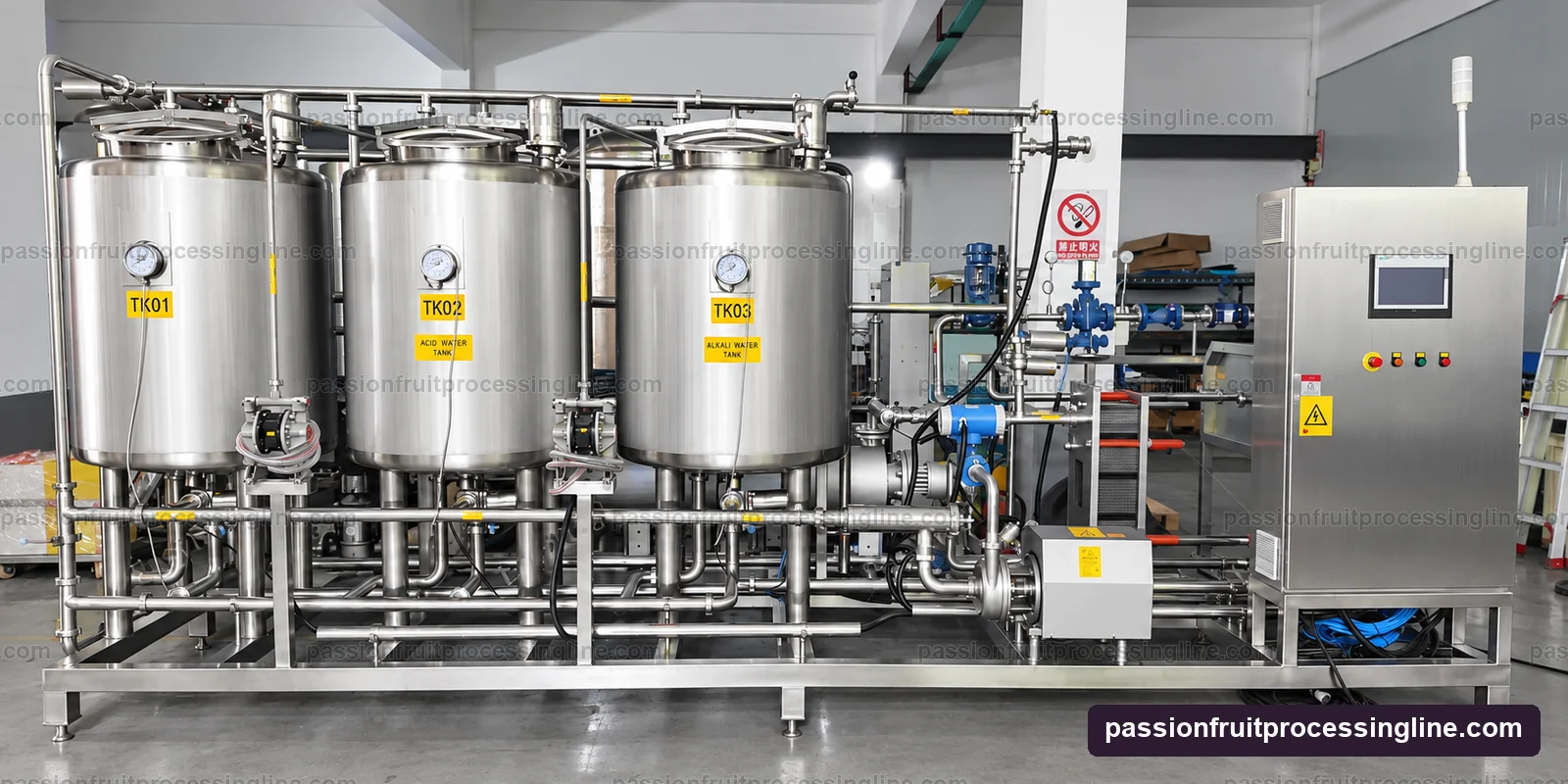
A CIP system circulates cleaning solution through selected tanks, valves, pipework and processing equipment, then receives the return. Supply flow, return capacity, temperature and contact conditions need to suit each circuit. A pipe that is connected to the supply but has no effective return is not a complete cleaning route.
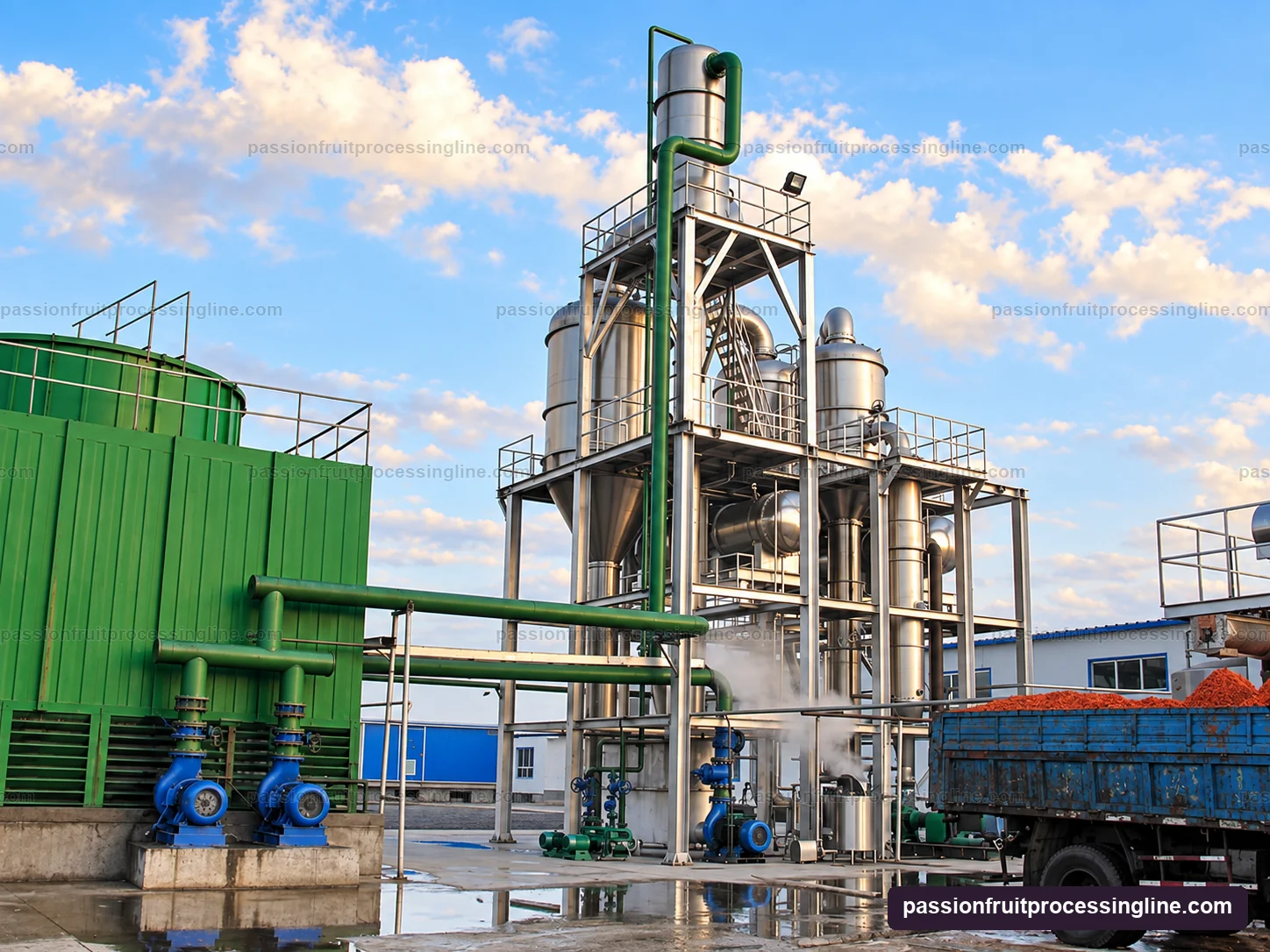
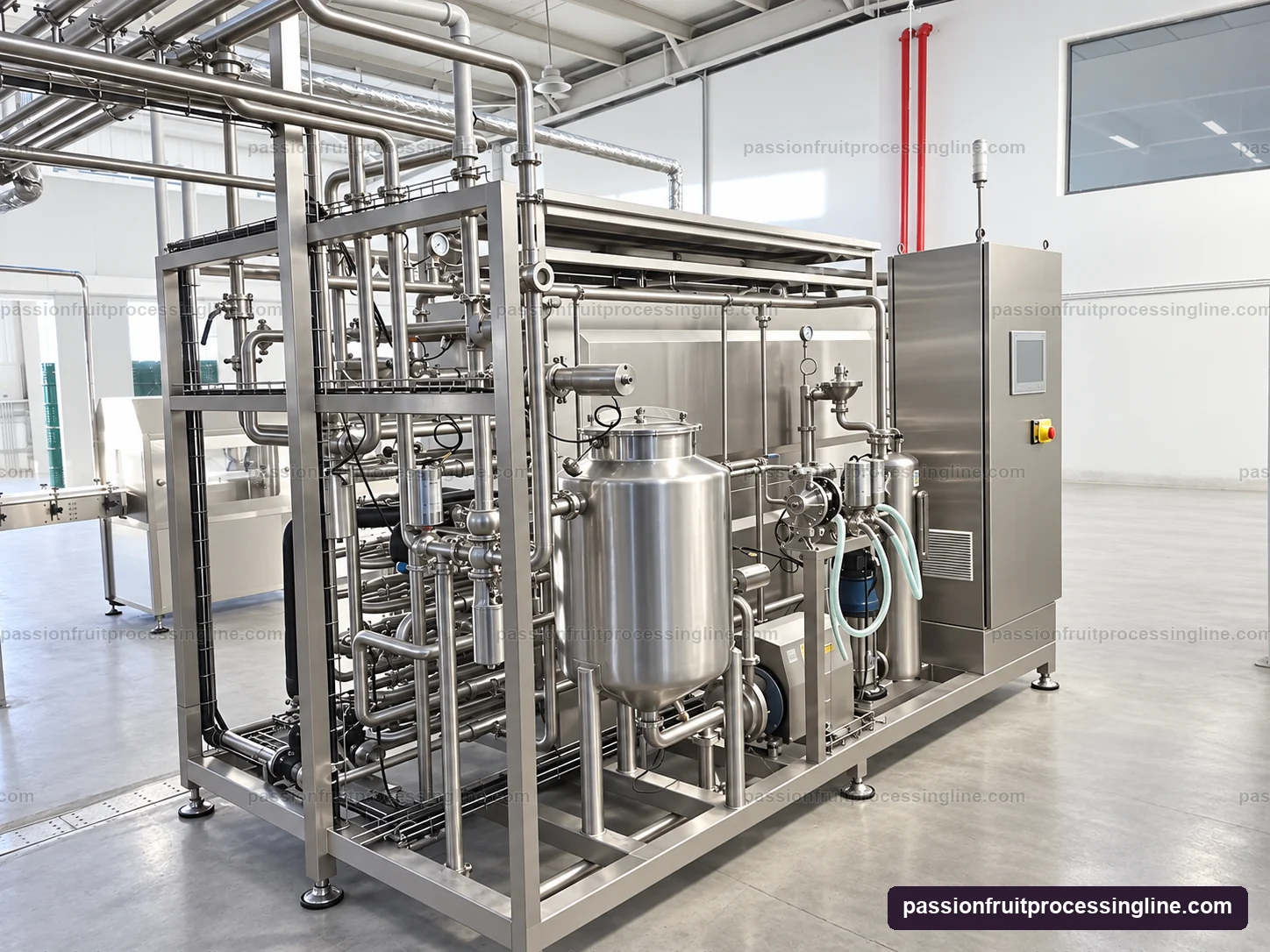
Vessels and processing units have different internal coverage and drainage requirements. Pumping through a thermal circuit, cleaning a buffer vessel and circulating through an evaporator are related duties but not necessarily one identical sequence.
Keep cleaning and sterile preparation distinct
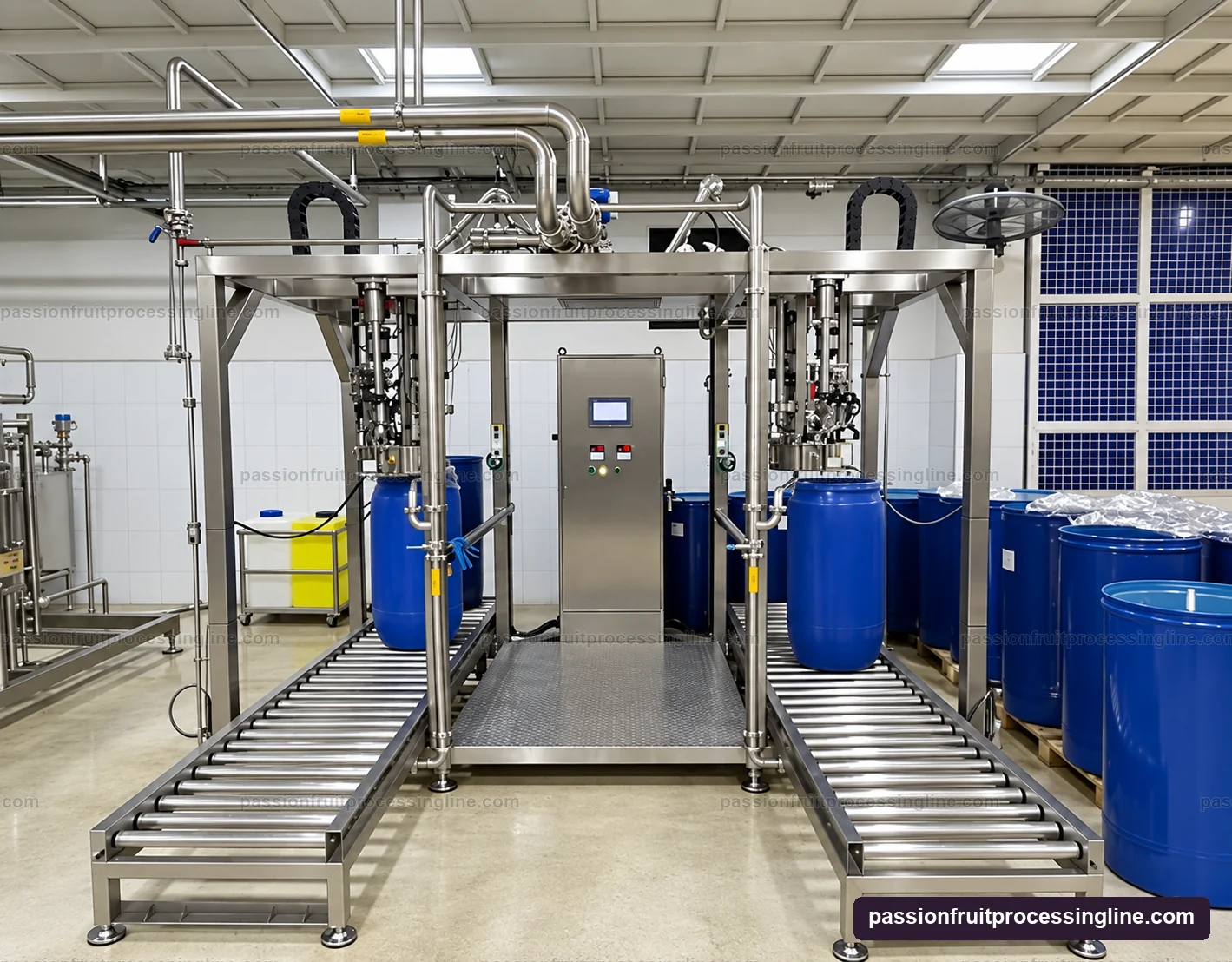
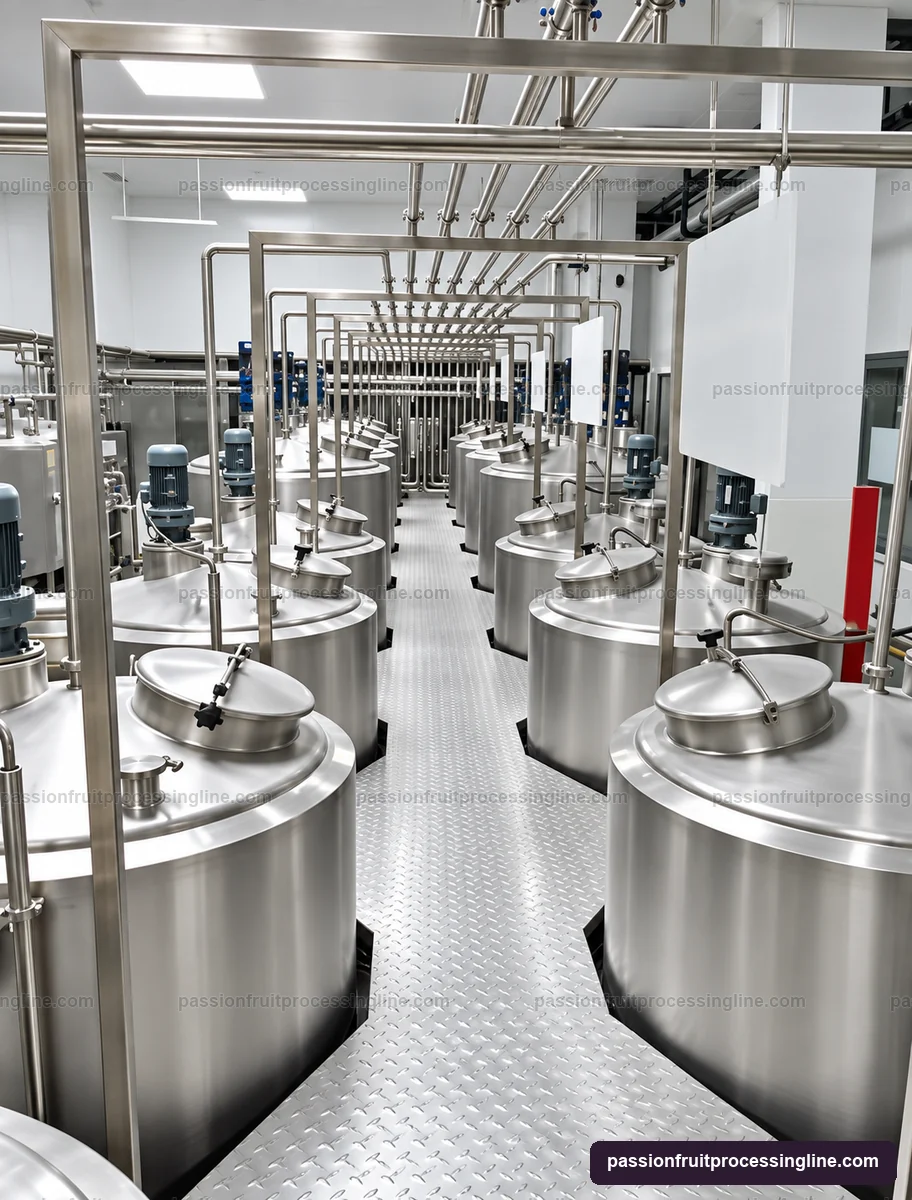
Cleaning removes product residue and prepares surfaces for the next required operation. Sterile preparation of an aseptic product path is a separate function with its own validated conditions and boundary. An ordinary buffer tank or open fruit-preparation machine does not become aseptic because the line includes a bag filler.
The thermal outlet, any aseptic buffering and the filling interface must maintain their intended isolation during preparation, production and interruption. Their procedures need to match the installed equipment and package configuration.
Make cleaning part of the operating record
The operating procedure identifies isolation, residue removal, the required circuit or manual cleaning steps, checks and the conditions for returning equipment to service. The choice of cleaning chemistry follows the product residue, equipment materials and the validated site procedure.
Cleaning acceptance concerns the actual circuit and its difficult-to-reach surfaces. A successful control sequence confirms that the programmed steps ran; it does not replace the inspections or measurements used to establish the cleaning result.